Multiple Characters and Personas in Poly AI: A Practical Guide

One character is a conversation; several are a repertoire. Serious users of the Poly AI mobile app keep a cast — the long campaign, the comedy relief, the comfort reread — and a small stable of personas to meet them with. Managing that company well is an organisational craft: distinct voices, clean switching, and notes that stop stories bleeding into each other.
This guide covers casting your repertoire, writing personas per world, switching without confusion, and the light record-keeping that keeps a dozen threads untangled.
The goal is abundance without muddle. A repertoire should feel like a theatre company you direct, not a crowd you are lost in.
Cast Deliberately, Not Accidentally
Choose your active cast the way theatres choose a season: one long dramatic piece, one light piece, one experiment. Three living stories challenge and refresh each other; ten living stories starve, because your attention is the budget every one of them spends.
Retire characters to the shelf without guilt when their season ends. A shelved favourite is an asset in reserve; an abandoned mid-scene thread is a small guilt that taxes every return to the app.
Personas: One Self Per World
Keep a persona per world rather than one universal self stretched across all of them: the harbour regular, the academy student, the travelling merchant. Each persona states name, role, traits, and its relationship's starting shape in five plain lines, and characters respond to a consistent person instead of improvising yours anew.
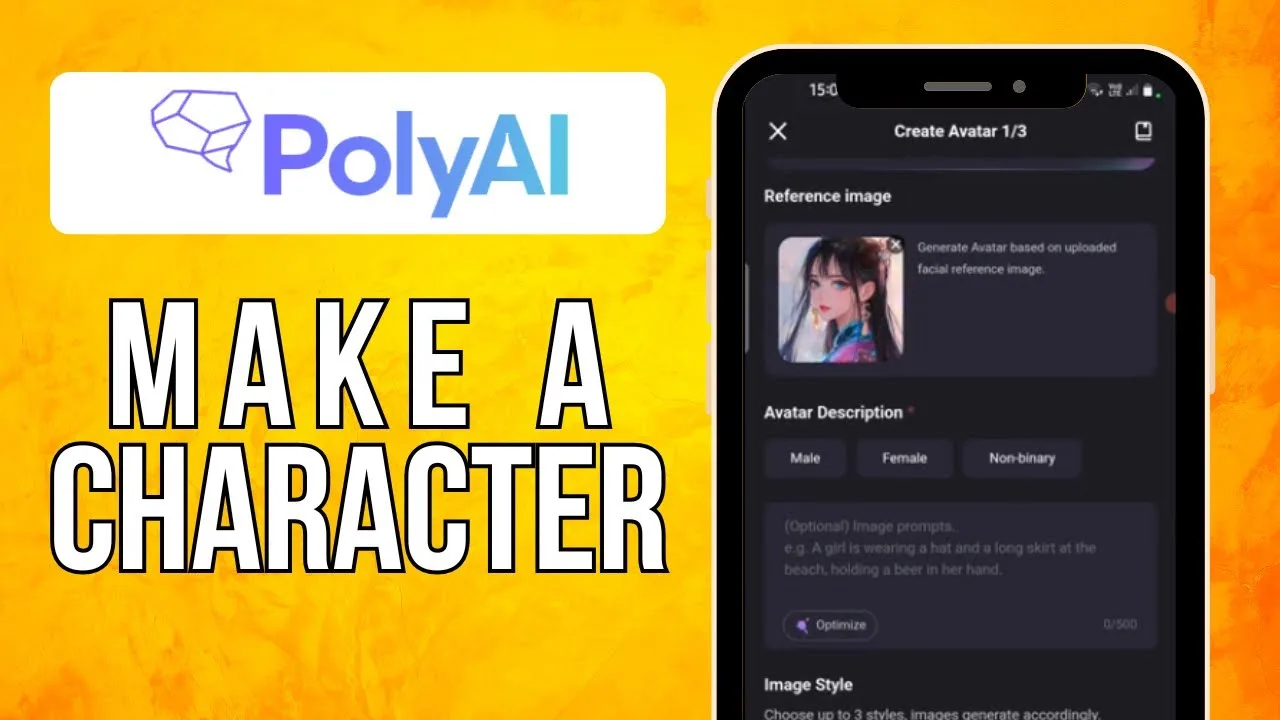
Check the active persona before starting a chat the way actors check their costume. Half of all 'the character got confused' reports are a user arriving in the wrong self, and the fix is a glance, not a setting. The persona craft itself is the mirror image of creating your own character in Poly AI — same five lines, other chair.
Keep Voices Distinct on Purpose
When you create or adopt several characters, differentiate their engines, not just their faces: one speaks in questions, one in declarations, one deflects with humour, one goes practical under pressure. Distinct behaviour patterns prevent the slow convergence where every character becomes the same pleasant conversationalist in different costumes.
Test distinctness by reading a page of each aloud. If you cannot tell the speakers apart with the names hidden, the cast needs editing, not more members.
Switching Without Bleed
Close one story's session deliberately — a one-line note of where it stands — before opening another's. Context lives in you as much as in the app, and the note is how you hand your own attention from one world to the next without dragging the previous scene's weather along.
Never run two intense scenes in alternating minutes. Interleaving is the enemy of both: each story deserves an unbroken sitting, however short, and the discipline costs nothing but sequencing.
Notes: The Repertoire's Memory
Keep one small page per active story: the summary so far, established facts, promises outstanding, and where you intend to go next. The page is the story's external memory and your switching licence — with it, any story can be resumed cold after a month; without it, resumption is archaeology.
The summary technique is developed fully in Poly AI memory and story tips; in a repertoire, it scales from a habit into the operating system that makes several stories feel like one well-run theatre.
Group Scenes and Crossovers
Advanced pleasure of a repertoire: letting worlds touch — a cameo, a letter carried between stories, a persona meeting two of your characters in one scene where the app supports the arrangement. Crossovers reward the organised, because they run entirely on your notes' accuracy about who knows what.
Attempt them rarely and prepare them like events. A crossover that contradicts two stories at once costs more repair than a season of ordinary chapters, and the audience of one — you — notices everything.
Prune the Company Kindly
Once a season, review the cast: promote the experiment that caught fire, conclude or shelve the story that has been flat for a month, and let one new face audition. Repertoires stay alive by the same law as gardens — growth, harvest, and the courage to clear a bed.
Keep retired characters' notes. Sequels and reunions are among this medium's special joys, and they belong to the users whose filing lets a retired favourite return with their history intact.
A cast chosen like a season, personas per world, sessions closed with notes, stories pruned kindly: that is a repertoire run like a theatre instead of a crowd. The abundance becomes sustainable, and sustainability is what turns a month of enthusiasm into years of stories.
Write the one-page note for your current story today. It is the smallest object in this guide and the one everything else stands on.
Let the repertoire breathe seasonally: a cast that suits winter's long evenings may not suit summer's fragments. Permission to re-cast with the calendar keeps the company matched to your actual life, which is the only schedule your stories truly keep.
The repertoire will, in time, develop its own centre of gravity: one story that leads, others that orbit. Let it. Forcing equal attention across a cast is management vanity; the leading story is where your craft compounds fastest, and the orbiters are enriched every time they are visited by a better practitioner.