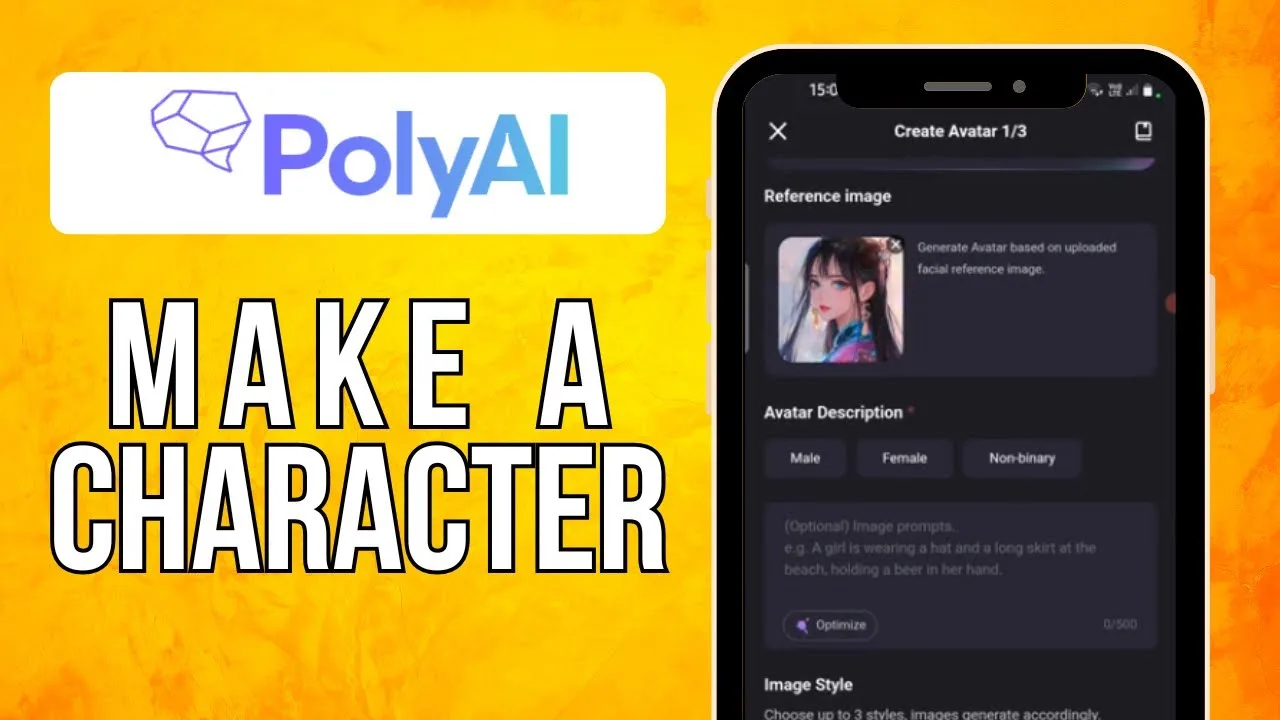
Poly AI on Low-End Phones: Smooth Chats on Modest Hardware

Character chat is one of the kindest genres a budget phone can host, because the imagination lives on the service: the model that writes your character's replies works on machines built for it, while your phone runs the conversation. the Poly AI character app therefore asks far less of modest hardware than its richness suggests — provided a few local realities are respected: storage, connection, and very long chats.
This guide separates what your device genuinely does from what it merely hosts, names the friction points honestly, and gives the settings and habits that keep long stories smooth on a small phone.
If your phone messages and browses comfortably, it can hold a story. Everything after that sentence is arrangement.
What the Phone Does and Does Not Do
Your device renders the chat, holds the conversation view, sends your words, and receives replies. The generation itself — the expensive intelligence — happens elsewhere, which is why a flagship and a budget handset receive the same lines from the same character.
Differences appear in comfort, not content: how fast a long chat scrolls, how quickly the app reopens, how gracefully voice features juggle audio. Comfort is manageable; content was never at risk.
Very Long Chats and Small Memory
Epic single conversations are the one place modest memory shows: a view holding thousands of messages can grow heavy to open and scroll. The chapter habit — closing stories in linked parts with summaries carried forward — is a performance technique as much as a literary one on small devices.
Keep the app cache cleared seasonally and storage breathing. The floor itself is stated in the Poly AI device compatibility guide for Android users; life comfortably above the floor is housekeeping.
The Connection Is the Real Speed
Reply latency is dominated by the service's generation time and your connection's health, in that order, with the handset a distant third. Judge a slow evening by those two suspects before indicting the device in your hand.
On weak connections, favour complete, considered messages over rapid-fire fragments: fewer, larger exchanges survive a faltering network with the scene intact, where a staccato conversation keeps losing its place.
Voice on Modest Hardware
Voice chat adds audio capture and playback to the phone's duties — well within a budget device's ability, since the understanding and speaking are synthesised and recognised with service help. A quiet room and earphones matter more than the processor, as they do on any phone.
If voice stutters while text flows, suspect the connection's upload before the handset. Audio is a stream, and streams expose network weather that text forgives. The voice craft itself is in the Poly AI voice chat guide.
Settings That Lighten the Load
Prefer moderate reply lengths for everyday chats on small screens: brisk exchanges read better, arrive faster, and keep the conversation view light. Reserve maximal settings for the scenes that earn them.
Turn off what you do not use — background extras and notifications you ignore — not as superstition but as ordinary small-device hygiene. Every tenant you evict is memory the story can rent.
Battery, Heat, and Long Evenings
Chat is gentle work; the screen is the main battery cost in a long session, on any tier of phone. Dim a little, plug in for marathons, and the budget device will outlast your attention more often than the reverse.
Heat throttling — the slowdown of an over-warm phone — is rare in this genre compared with games or video. If it visits anyway, a short pause restores the phone, and stories, fortunately, are patient.
The Honest Verdict
Low-end phones are good Poly AI devices because the architecture carries the weight for them. Expect the same characters and stories, with a plainer journey inside extremely long chats and on weak connections.
Spend optimisation on summaries, connection, and storage — the levers that exist — and let handset envy spend itself in genres where the phone does the heavy work. Here, it never did.
Modest hardware, arranged well, tells immodest stories. Keep chats chaptered, storage breathing, and your suspicion aimed at the connection first.
Your phone was never the limiting factor in your fiction. It only needed the architecture explained once to stop apologising.
Share the verdict with the budget-phone owners in your life who assume character AI is a flagship's hobby. An invitation delivered with the architecture explained has started more good stories than any advertisement, because it replaces envy with a plan.
Remember the order of suspicion when any session disappoints: connection first, then chat length and storage, then the service's evening, and only at a distant fourth the phone. Most frustration on this platform is aimed one layer too low, and aiming is a skill this page exists to teach.
Judge the phone by the stories it has carried to their endings, not by the specifications it lacks. Counted that way, modest hardware already owns a distinguished record in this genre — and your shelf of finished tales, not a benchmark chart, is the evidence.
If the phone is eventually replaced, everything that matters transfers in an evening — account, characters, summaries, habits — because the riches were never stored in the glass. That portability is the quiet, durable, transferable luxury of a service-side imagination, done right.